
This is the story of how the EU is learning to use social media—and why it makes a difference to our ministry.
This year (well, from around December of last year), the EU has been undergoing a transformation on social media that has increased our reach, helped us connect with new people, and is helping us think in a whole new way about possibilities for evangelism. I’ve been learning a huge amount from being newly involved in eu:c (our communications team), especially from the excellent work of our friends in the AFES national office. So here are three things we’ve done that have created that change:
- We’ve redirected our primary audience.
In the past, we’ve lacked clarity about who the EU’s main Facebook and Instagram accounts are intended for. On the one hand, it seems clear that those following the EU account would want to know about EU activities, and we should put public announcements about our Public Meetings, small groups, training courses, and conferences on these channels. And the EU has many activities, so there are new things to promote almost every week!
On the other hand, we’ve also wanted to reach outsiders with these same accounts. The EU has always had a heart for the lost and a keenness to invite others to join us in our activities, so we also want to invite non-EUers to engage with the EU. But this hasn’t been easy to do, since most of the content on our social media has been geared toward insiders and not especially relatable to those not yet engaged with the EU.
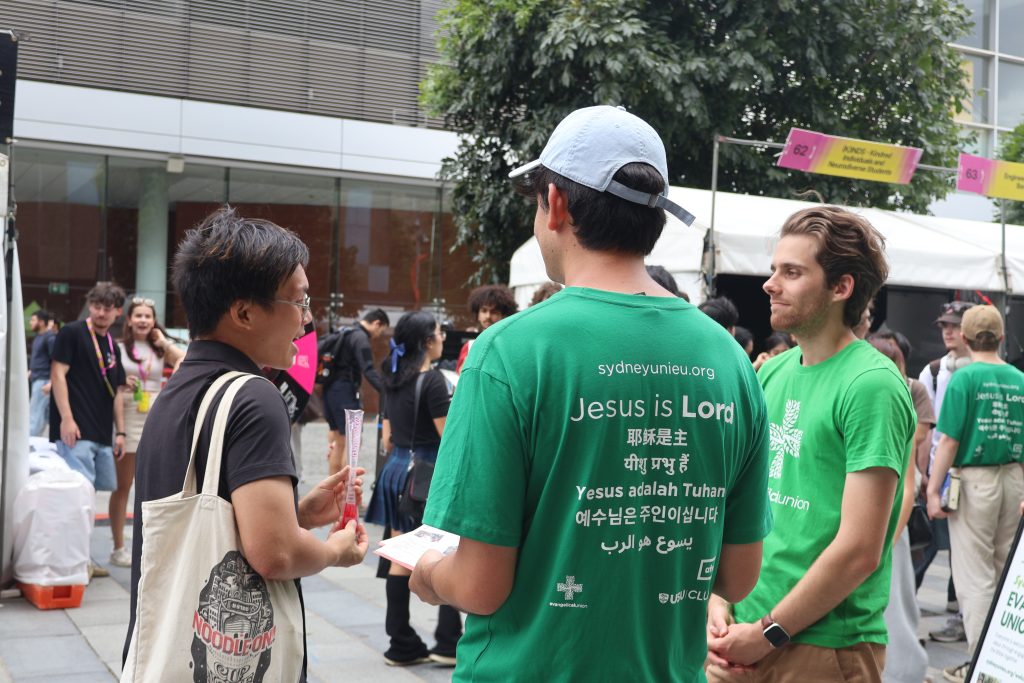
The big mindset change we’ve made this year is to think of our primary audience not as insiders but as those on the edge of our community: Christians on campus who aren’t yet part of the EU, or non-Christians who are open to investigating Jesus or perhaps already investigating Jesus. That means we’re trying to post less insider-first content like announcements about our activities, and more outsider-friendly content like fun skits.
The result: Views are up, and 5/6ths of the views on our posts are from non-followers rather than followers. We are engaging people outside of core EUers, and this is enlarging our opportunity to use social media to help more people engage with the EU. We have already heard of multiple stories of people who have come to us in person because they first engaged with us online.
- We’ve refreshed our primary mode.
Our effort in the past has usually been directed toward graphic design. The way we’ve promoted our activities has usually looked like designing a nice graphic in the style of a digital poster or flyer to post, and posting relevant announcements in the form of text-based graphics. When we wanted to be more persuasive, we might create a video that was 2 to 5 minutes long, asking an EUer or staff worker to share about something that was coming up.
Those who use any form of social media will be able to tell you, however, that the most common type of content they find today on a platform like Instagram is short-form video. Reels, shorts, and TikToks engage people with 10 to 60-second clips filmed in portrait, edited with fast cuts and captions and often music.
We’re adapting to the landscape by producing more video content, prioritising seeing real faces rather than just graphics, and keeping our reels short. We’re experimenting with trends we see online and different styles to work out what works for us. We’re trying to make the kind of content that people come to these social media platforms expecting, and that captures people’s attention with something more meaningful than what the rest of their feed might offer.
The result: More people actually engage with our posts through watch time, saves, shares, and comments. We are growing an online community of people who participate in the EU’s online presence.
- We’ve renewed our schedule.
In the past, we might have felt reserved about posting three times in a week, afraid that it may feel ‘spammy’ or push people away from engaging. However, with a refreshed approach to who we are primarily seeking to engage and the kind of content we are creating, the logic has changed. Whereas it may not have been a good idea to simply push announcements or promotions multiple times per week, more of our content is inherently engaging, varied, and interesting, and can be posted more frequently.
With greater frequency also comes more effort in producing the posts, and this is the main limiting factor for our schedule. We have been remarkably successful in producing 3 posts per week so far, but as students experience the end of semester, exams, and we transition into the mid-year break, it remains to be seen how well we will keep up the regularity, and its longer-term sustainability over the year.
The result: Our posts ride the momentum of a regular posting schedule, creating a consistent presence, generating constant feedback on how we are going at engaging others, and providing a higher baseline from which we can run promotional campaigns for things like AnCon or future welcome seasons.
Conclusion: a transformation creating new connections
This year, we’ve not just seen an increase in abstract metrics such as the number of posts produced or the number of accounts reached. We’ve also seen students come to engage with Jesus in person because they first engaged with us online.
Jay (not his real name) discovered the EU on social media and started coming to Public Meetings, where he met an EU staffworker and eventually connected with a small group in his faculty. He now has many opportunities to investigate Jesus with the EU and connections with others who can help him read the Bible.
Give thanks for the efforts of the EU communications team and pray for continued wisdom about how to reach many with the good news of Jesus in the ever-changing digital landscape.
The EU is on Facebook, Instagram, and YouTube as @sydneyunieu. You are also welcome to follow our secondary Instagram account @sydneyunieuprayerandshare.
Back to News